Patient Portal
 Online Payment
 Doctor Referral
 Financing


Keratoconus Treatment
for Largo, St. Petersburg & Clearwater, FL
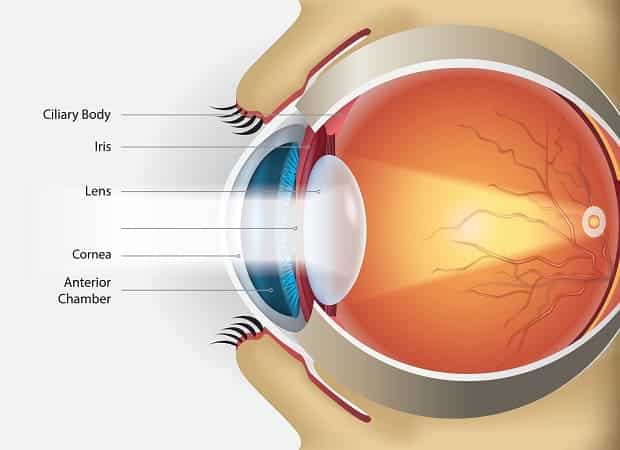
Keratoconus is a disease affecting the cornea of the eyes. Instead of being evenly rounded, the corneas reshape into a cone-like bulge. Light entering the eye is distorted by this misshapen cornea and so can’t be focused on the retina like it would with a healthy eye. The result is nearsightedness or even astigmatism.
For some people, this disease continues to develop over many year’s time. For others, it will progress to a certain point and then stop.
Book Your Appointment Online
Keratoconus Causes And Signs
Genetics may be a factor in developing keratoconus because this condition is often found in multiple members of the same family. It normally begins to show up in a person’s teens or 20s.
A person who sees the following signs should schedule an examination to be tested for keratoconus:
- Unable to focus on far away objects or objects both near and far
- Rapid changes in eyeglass prescriptions
- Glare around lights
- Light sensitivity
- Sudden worsening of eyesight
The following factors may encourage the development of keratoconus:
- Rubbing eyes excessively
- Excessive exposure to ultraviolet rays from the sun
- Poorly fitted contact lenses
- Chronic eye irritation from environmental conditions
- Having hay fever or asthma

Treating Keratoconus
The first step of treatment is often fitting a patient with a rigid, gas-permeable contact lens. This inflexible lens creates an even surface for light to pass through. But because the cornea under the lens is irregularly shaped, fitting a patient with the exact contact lens that’s right for them is a job for a specialist. Some people may even need specially designed contact lenses custom-fit to their corneas. A scleral lens that rests on the white part of the eye (the sclera) may be more comfortable for some patients because it does not rest on the cornea itself.

Intacs (Intrastromal Corneal Ring Segments)
Intacs are small, crescent-shaped devices surgically implanted in the cornea to reshape the curvature for better vision. It’s a minimally invasive surgical option for keratoconus. Two clear, curved pieces of biocompatible material are used to flatten the cornea. They’re made of the same plastic polymer as intraocular lens implants (IOLs) for cataract surgery and clear lens exchange.
The devices are placed by creating a tunnel between layers of the stroma in the cornea and are FDA-approved to treat keratoconus and restore good vision safely and effectively.
Corneal Collagen Cross-Linking
Collagen is a protein that helps hold the cornea together, interlinking with other corneal structures. Keratoconus and other diseases or eye injuries can damage the chemical bond with collagen fibers, allowing the cornea to warp and bulge outward. Corneal collagen cross-linking works to strengthen these fibers, stiffen the cornea and improve the cornea’s curvature.
The procedure involves numbing drops and minimal surface layer (epithelium) removal. Riboflavin eye drops (vitamin B2) are used and absorbed into the cornea for a continuous 30 minutes. Then a UV light beam is focused on the cornea for another 30 minutes to activate the riboflavin and create new links between collagen fibers in the cornea.
A 2010 study on long-term results of collagen cross-linking found that the condition stabilized for up to two years after treatment without significant side effects.
Cornea Transplant For Keratoconus
If the disease continues to progress, it might finally be necessary to perform a corneal transplant. Up to 20% of keratoconus patients may need a corneal transplant when the cornea is dangerously thin, or they can’t tolerate a fitted contact lens. There are several types of cornea transplants, including penetrating keratoplasty (PK), anterior lamellar keratoplasty (ALK) and endothelial keratoplasty (EK). PK is a full-thickness cornea transplant, while the others remove diseased tissue for a partial thickness transplant.
Cost Of Keratoconus Treatment
The price of your keratoconus treatment depends on the severity of the condition. Various contact lenses can manage the early stages of keratoconus, but corneal collagen cross-linking and cornea transplants may be necessary later. Our Largo office understands the significant financial burden keratoconus treatment may have on your family, and we can help you navigate insurance issues and offer financing options. We partner with CareCredit so you can improve your vision with affordable monthly payments.
Why Choose Our Eye Doctors
We are an independent, family-owned practice, run by doctors, not private equity, and serving Tampa Bay since 1961. We aim to make our patients feel at home and take pride in offering compassionate, high-quality care. We understand how keratoconus, other health conditions and eye troubles can affect you and we will help you from your first consultation to your final visit.
Our physicians regularly contribute to research and innovation in Ophthalmology and use the most advanced equipment and technology available. St. Michael’s Eye & Laser Institute is in the top 1% of corneal transplant centers worldwide, according to the Miracles In Sight eye bank (now Precision Ocular Network). You can rest assured you are in excellent hands when you seek keratoconus treatment with our eye doctors.
Finding A Keratoconus Specialist
At St. Michael’s Eye & Laser Institute in Largo, Florida, Dr. John Michaelos and his colleagues offer expert diagnosis and treatment of a wide range of eye problems and diseases. These dedicated doctors have been deeply involved in innovating treatment procedures and equipment for the betterment of eye health around the world.
When you are looking for personal, caring treatment of any eye condition, please call us to schedule an appointment. Call 727-202-2020 today.
Common questions about keratoconus
Does corneal cross-linking reverse keratoconus?
No, cross-linking is not designed to reverse keratoconus. It strengthens and stiffens the cornea so the condition is less likely to keep getting worse, and you may still need glasses or specialty contact lenses to see clearly afterward. St. Michael’s Eye & Laser Institute performs corneal cross-linking and can help you decide whether it makes sense for your eyes.
What is recovery like after corneal cross-linking?
In the most common form of cross-linking, a thin surface layer of the cornea is removed, so your eye will likely be sore, watery, and sensitive to light for several days while that layer heals. Vision is often blurry at first and can take a while to settle, so plan to take it easy for the first few days. You will use prescribed eye drops, come back for follow-up visits, and need to avoid rubbing your eyes while you heal.
Can I get LASIK if I have keratoconus?
LASIK is generally not recommended for people with keratoconus. It reshapes the cornea by removing tissue, and a cornea that is already thin and weak can become less stable afterward. Your eye doctor can talk with you about safer ways to see clearly, such as rigid gas-permeable or scleral contact lenses.
Who treats cornea conditions at St. Michael’s
Cornea care at St. Michael’s Eye & Laser Institute in Largo, Florida is led by Dr. John Michaelos, our medical director, who completed fellowship training in corneal and external diseases at the University of South Florida. Treatment options here include corneal cross-linking for keratoconus.