Patient Portal
 Online Payment
 Doctor Referral
 Financing

Eye Doctor TreatmentsFor Largo, St. Petersburg & Clearwater, FL
Healthy eyes and clear vision are an essential part of your quality of life. You depend on good eyesight the second you wake up to when you close your eyes at night. Maintaining and restoring healthy eyes requires regular eye exams to diagnose and treat concerns early and ensure that you view the world as clearly as possible with corrective eyewear or laser vision correction.
Book Your Appointment Online
Eye Conditions Treated
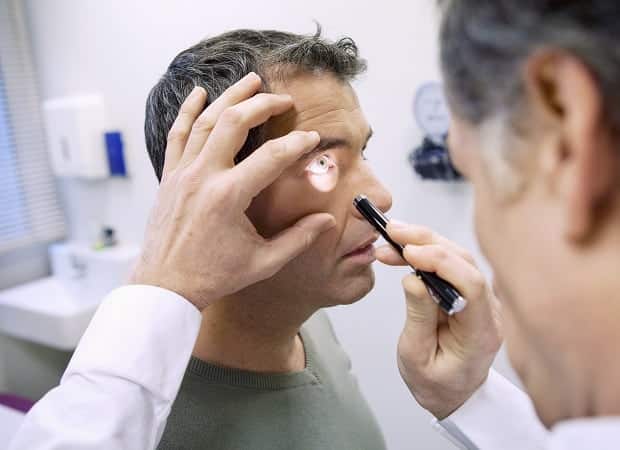
Our Ophthalmologists at St. Michael’s Eye & Laser Institute offer treatments and procedures for nearly all eye concerns, including:
Refractive Errors
Farsightedness, nearsightedness and astigmatism are refractive errors caused by misshapen corneas, and presbyopia is a refractive error caused by the hardening of the eye lens due to age. When the cornea is irregularly shaped, it can’t refract light correctly, causing blurry vision at certain distances. Treatments include eyeglasses, contact lenses, LASIK, PRK and clear lens exchange (CLE).
Retinal Conditions
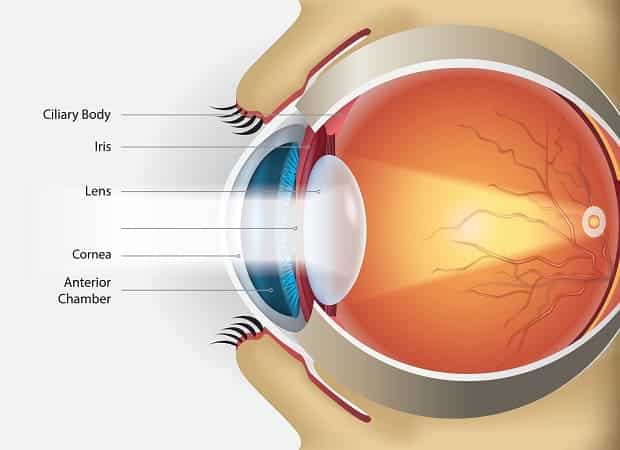
The retina is the light-sensitive tissue lining the back of your eye that acts like the film in a camera. Disease or trauma can damage the retina and the macula at its center, causing vision loss and blindness in some cases. Diabetic retinopathy, macular degeneration and retinal detachment are common retinal conditions.
Glaucoma
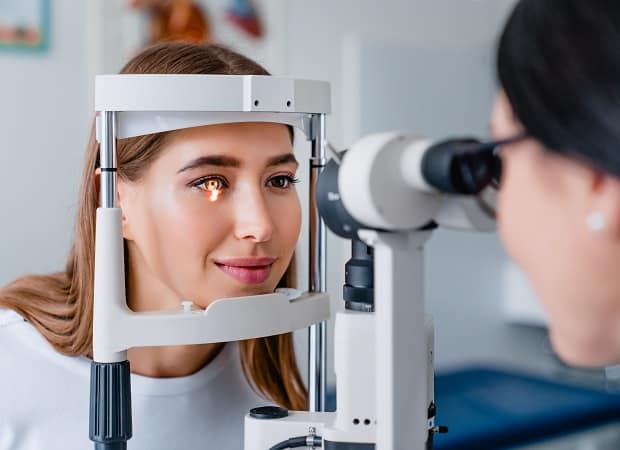
Poor fluid drainage from the eye causes intraocular pressure to build up and damage the optic nerve, causing vision loss. Glaucoma can be a silent eye disease, but our Ophthalmologists can diagnose glaucoma early through regular eye exams. Treatments can manage the condition but will not reverse vision damage.
Pterygium
Also known as “surfer’s eye,” pterygium affects people who spend most of their time in the sun. Pterygium is a flesh-like growth that is white, pink, red or yellowish on the tissue covering the eyeball and lining the eyelids called the conjunctiva. The growth causes irritation, redness and may spread across the cornea, iris and pupil and affect your eyesight.
Cataracts
Cataracts affect most adults as they age and occur when proteins clump together in the natural eye lens, causing an opaque appearance and cloudy vision. The eye disease is highly treatable through cataract surgery that removes the dense lens and replaces it with an intraocular lens (IOL) to restore clear vision. Premium IOLs are available that correct for refractive errors.
Keratoconus
Keratoconus causes the marble-like surface of the eye (cornea) to bulge out like a cone due to the gradual thinning of the tissues. Corneal collagen cross-linking is an effective treatment that stalls keratoconus progression. Corneal transplants are another treatment for this eye disease and other corneal problems.
Prevent Eye Disease and Trauma
You can prevent certain eye diseases and trauma through comprehensive eye exams and following these tips for optimal eye health:
- Manage chronic conditions such as diabetes and high blood pressure to prevent vision loss from related eye diseases.
- Wear glasses and contact lenses appropriately to avoid eyestrain and headaches.
- Protect your eyes from UV radiation from the sun, tanning beds and blacklight lamps to prevent eye diseases such as cataracts and pterygium.
- Eat a balanced diet that includes leafy greens and foods high in omega-3 fatty acids.
- Use protective eyewear to prevent injuries during sports, lawn mowing, painting and dusty or windy environments.
- Don’t smoke.
- Practice the 20/20/20 rule for screen use by taking a break every 20 minutes to look 20 feet away for 20 seconds.
Contact our eye doctors right away if you experience sudden vision changes or eye pain.
Schedule Exam At St Michael’s Eye & Laser Institute
If you are experiencing vision changes or if it’s time for a regular eye exam, contact our Ophthalmologists in Largo, Florida, to schedule your appointment today.
Common questions about eye health
How often should adults get a comprehensive eye exam?
The American Academy of Ophthalmology recommends a baseline eye exam at age 40 for adults with no symptoms or risk factors, since early signs of disease and vision changes may start around then. Adults 65 and older should have their eyes checked every one to two years. If you have diabetes, high blood pressure, a family history of eye disease, or any symptoms, you may need exams more often, because conditions like glaucoma can damage vision before you notice a problem.
When should I see an eye doctor right away?
Contact our eye doctors right away if you have sudden vision changes or eye pain. Other urgent warning signs include a sudden increase in floaters, flashes of light, a curtain or shadow over part of your vision, and any eye injury. If a chemical splashes into your eye, rinse it with plenty of clean water right away and then get emergency care. For any urgent problem when you cannot reach us, go to the nearest emergency room.
Do I need sunglasses to protect my eyes?
Yes. Ultraviolet light from the sun, tanning beds, and blacklight lamps can harm your eyes over time, and long-term sun exposure is linked to cataracts, eyelid skin cancers, and pterygium, a growth on the surface of the eye often called surfer’s eye. Choose sunglasses that block UVA and UVB rays, wear them even on cloudy days, and add a wide-brimmed hat when you will be outside for long periods.
Meet the doctors at St. Michael’s
Patients at St. Michael’s Eye & Laser Institute in Largo, Florida are seen by our own team: Dr. John Michaelos, our medical director, for cataract, LASIK, cornea and eyelid surgery and glaucoma care; Dr. Dana Deupree, MD, FASRS and Dr. Oren Plous, MD for retina care; and Dr. Luis Ortiz, OD for eye exams, contact lenses, dry eye and glaucoma care. Meet the full team.