Patient Portal
 Online Payment
 Doctor Referral
 Financing

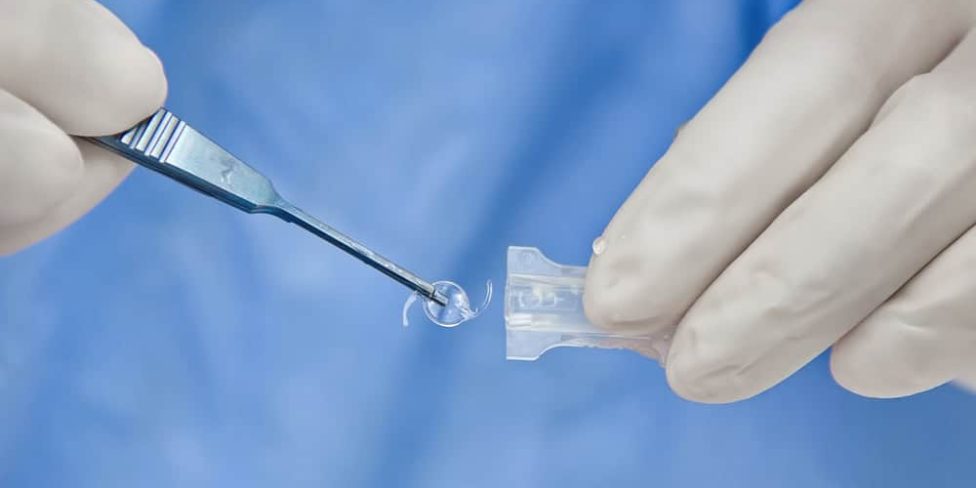
Patients often expect cataract surgery recovery to be dramatic in one direction or the other: either perfect vision the next morning, or weeks of being laid up. It is usually neither. Vision improves in stages, most restrictions are short, and the whole process is more boring than people expect, which is a good thing.
Here is the timeline we walk through with patients at our cataract practice in Largo. Your surgeon’s instructions always take priority over any general guide, including this one.
The first few hours
The procedure itself typically takes well under half an hour, and you are at the surgery center for a couple of hours in total. You will need someone to drive you home. Expect the eye to feel scratchy or gritty, and expect vision through it to be hazy, like looking through water.
Most people go home and nap. That is a reasonable plan.
Day one
You will be seen the day after surgery so the eye can be checked. Many patients notice a real improvement in brightness and color by this point, though vision is often still soft. You will start or continue eye drops on a schedule, which usually includes an antibiotic and an anti-inflammatory.
Do not rub the eye. That single rule prevents most early problems.
The first week
Typical instructions during the first week include:
- Use your drops exactly on schedule, even when the eye feels fine
- Wear the shield at night if your surgeon provided one
- No swimming pools, hot tubs, or putting your head underwater
- Avoid heavy lifting and strenuous exercise as directed
- Keep soap, shampoo and dust out of the eye
- Do not wear eye makeup until you are cleared
Light activity, walking, reading and television are generally fine. Many patients are back to desk work within a couple of days, though this varies with your job and your surgeon’s guidance.
Weeks two through four
The eye continues to settle. Halos or glare around lights at night are common early and usually fade. Drops taper according to your schedule. If you are having the second eye done, it is often scheduled during this window.
Final glasses are usually prescribed after the eye has stabilized, commonly around the one-month mark, because measuring too early produces a prescription that will not be accurate for long.
What is not normal
Call the office promptly for:
- Sharp or worsening pain rather than mild scratchiness
- Vision that gets noticeably worse after it had improved
- A sudden shower of new floaters, flashing lights, or a curtain or shadow in your side vision
- Increasing redness with discharge
These are uncommon, but they are the reasons practices tell you to call rather than wait for the next appointment.
Frequently asked questions
When can I drive again?
Usually once your surgeon confirms your vision meets the legal standard, which for many patients is within a few days. You will not drive yourself home on surgery day.
Why is my vision still blurry a week later?
Some fluctuation is normal while the eye heals and while drops are still in use, especially if the second eye has not been done and the two eyes are mismatched. Mention it at your follow-up.
Will I need glasses afterward?
With a standard lens, most patients use reading glasses. Premium lens options reduce that need. Our guide to choosing a lens implant compares them.
Questions about your recovery?
Book an appointment online with St. Michael’s Eye & Laser Institute in Largo, or call (727) 202-2020. We have cared for Tampa Bay families since 1961.