Patient Portal
 Online Payment
 Doctor Referral
 Financing

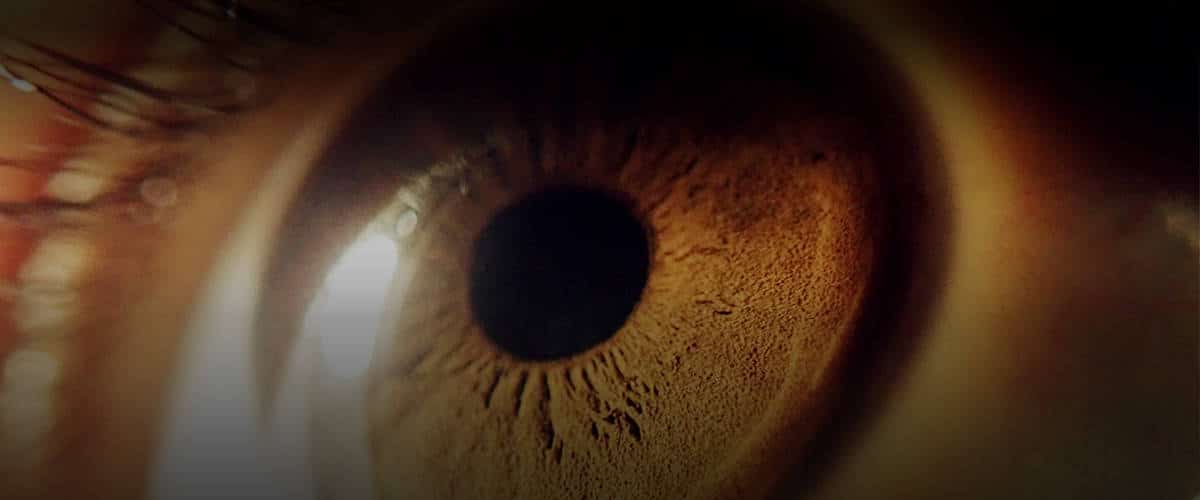
Daylight saving time ends on Sunday, November 1, 2026, and for many people in Largo and the greater Tampa Bay area, that means driving home from work or errands in the dark for the first time in months. The clocks fall back, sunset arrives an hour earlier, and evening commutes suddenly happen at night instead of dusk. If night driving already feels more stressful than it used to, this seasonal shift is a good reminder to pay attention to how your eyes handle low light.

Why Night Driving Gets Harder
In low light, your pupils dilate to let in more light, which also lets in more stray light from oncoming headlights and streetlamps, making glare feel more intense. At the same time, contrast sensitivity, the ability to distinguish an object from its background, naturally declines with age, which makes it harder to spot a pedestrian in dark clothing, a pothole, or the edge of a lane on an unlit road. Combine these two effects and it is easy to see why the same drive that felt easy in daylight can feel much more demanding after sunset.
Signs Your Eyes May Need Attention
A few changes are worth paying attention to: halos or starbursts around headlights and streetlights, needing longer to recover after an oncoming car passes, trouble judging how far away a car is in the dark, or a sense that headlights seem dimmer or the windshield looks hazier than it used to. Some of this is simply a normal part of aging, but it can also be an early sign of cataracts, since a developing cataract scatters light as it passes through the lens and makes glare noticeably worse, often well before it affects daytime vision.
Simple Steps for Safer Night Driving
A few practical habits can make a real difference. Keep your windshield and headlights clean, inside and out, since dirt, film, and residue scatter light and make glare worse. Have your prescription checked regularly, since even a small, unnoticed change in your glasses can affect clarity and depth perception after dark. Ask your eye doctor about anti-reflective lens coatings, which cut down on halos and glare from oncoming headlights. When a car approaches, look toward the right edge of your lane instead of directly at its headlights, and give your eyes a moment to adjust after it passes. If you are due for new glasses, a pair optimized for night driving may be worth discussing at your next visit.

When to Schedule an Eye Exam
If glare or night vision has clearly gotten worse over the past year, or family and friends have noticed you avoiding driving after dark, it is worth having a comprehensive eye exam. A thorough exam can catch early cataracts, a change in your prescription, or another treatable cause of glare and reduced night vision, ideally before daylight saving time makes the drive home in the dark a daily reality.
Don’t wait until the clocks change to think about your night vision. Schedule an appointment with St. Michael’s Eye & Laser Institute today, and let our team make sure your eyes are ready for the darker days ahead.