Patient Portal
 Online Payment
 Doctor Referral
 Financing

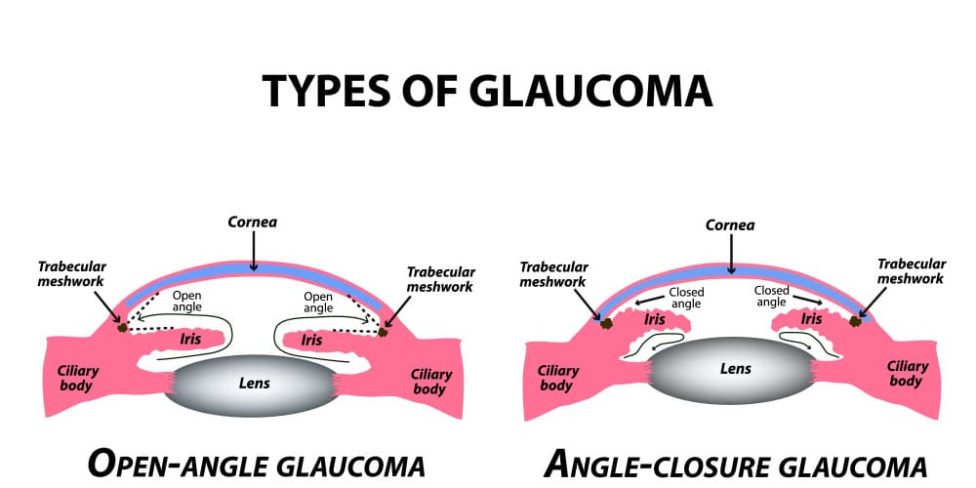
For many patients with open-angle glaucoma, the first treatment offered is a daily eye drop. It is effective, widely available and reversible. But it is not the only option, and for some patients a laser treatment called selective laser trabeculoplasty, or SLT, does the same job without a nightly routine.
What SLT does
SLT uses short, low-energy laser pulses aimed at the eye’s drainage tissue. It does not cut or burn. The treatment prompts a biological response that improves outflow, which lowers pressure inside the eye. It takes a few minutes per eye in the office, with numbing drops.
How the two compare
- Effort: drops are daily and ongoing; SLT is a one-time appointment that may be repeated years later
- Effect: both can meaningfully lower pressure, and results vary by patient
- Side effects: drops can sting, redden the eye or affect the lids; SLT may cause brief inflammation or a temporary pressure rise
- Durability: SLT tends to wear off over several years and can often be repeated
- Adherence: SLT removes the daily habit, which matters because missed drops are the most common reason treatment underperforms
Who tends to be a good candidate
SLT is generally considered for open-angle glaucoma and ocular hypertension. It may be offered as a first treatment, or added when drops alone are not enough, or when drops are poorly tolerated. It is not the right tool for every type of glaucoma, which is why the exam and the angle assessment come first.
What the appointment is like
Drops numb the eye, a lens is placed on the surface, and the laser is applied. Most patients describe seeing flashes of light rather than feeling pain. Pressure is usually rechecked afterward, and you can typically resume normal activities the same day.
What it does not do
SLT does not restore vision already lost, and it does not cure glaucoma. It is one way to lower pressure, which is currently the only modifiable factor we can treat. Monitoring continues either way, with pressure checks, optic nerve imaging and visual field testing.
Frequently asked questions
Will I be able to stop my drops?
Some patients can reduce or stop medication, others still need one drop. Your doctor will reassess pressure over the following weeks and months.
Can SLT be repeated?
Often yes. The effect commonly fades over a few years and repeat treatment is a normal part of the plan for many patients.
Is it covered by insurance?
SLT for glaucoma is generally a covered medical procedure. Coverage details depend on your plan, and our team will confirm before scheduling. See our accepted plans.
Discuss your glaucoma options
Book an appointment online with St. Michael’s Eye & Laser Institute in Largo, or call (727) 202-2020. We have cared for Tampa Bay families since 1961.